TL;DR: Most performance review software comparisons assume you have an HR department, a dedicated budget, and months to implement. This one is written for IT company owners running reviews without any of that. You'll get a clear framework for evaluating tools, the specific features that matter at small-business scale, and enough detail to make a decision this week.
Employee performance review software is a dedicated tool that replaces spreadsheets and email threads with structured review cycles, goal tracking, and documented feedback.
If you're running a small business and still copying last quarter's review template into a shared Google Doc, this is the right place. Performance management software built for small businesses handles the scheduling, prompts, and records so reviews actually happen on a consistent cadence rather than whenever someone remembers.
This article focuses specifically on teams under 100 people, where budget, setup time, and simplicity matter as much as feature depth. You'll find honest criteria, free plan comparisons, and trade-offs that most listicles skip because they're written for HR teams at companies ten times your size.
Five criteria separate useful tools from expensive ones for small businesses.
Free plan availability matters more than vendors admit. Several tools in the best performance review software for small businesses category offer free tiers capped at 5 to 10 users — enough to pilot before committing.
Setup time under one week: If your HR function is one person (or you), a tool requiring a dedicated implementation consultant is the wrong tool.
Team size fit: Most platforms price and architect for 200+ employees. Look for per-seat pricing that stays reasonable below 50.
Review cycle flexibility: Small teams need quarterly or project-based cycles, not just annual reviews locked into a rigid calendar.
Goal and task alignment: The strongest tools connect review scores to actual work. If you already use OKR tracking software or task tracker apps for IT teams, your employee performance review software should connect to that layer — not sit in isolation.
Reporting depth vs. complexity tradeoff. Simple exportable reports beat dashboards your team never opens.
Tool | Free plan | Starting price | Best for | Setup time |
|---|
Taro | Yes | Contact for pricing | Small IT teams needing AI-driven reviews + task tracking | Under 1 day |
Lattice | No | ~$11/user/mo | Mid-size HR teams | 1–2 weeks |
15Five | No | ~$4/user/mo | Engagement-focused teams | 3–5 days |
Leapsome | No | ~$8/user/mo | Structured review cycles | 1 week |
Engagedly | No | ~$9/user/mo | Goal-aligned reviews | 1 week |
Small Improvements | No | ~$5/user/mo | Lightweight peer feedback | 2–3 days |
Reviewsnap | No | Custom | Compliance-heavy teams | 1 week |
Taro is the only employee performance review software here with a free entry point built for teams under 50, which matters if you're also evaluating OKR tracking software alongside reviews.
Taro takes the top spot here because it's built for the way small IT teams actually work: tasks, projects, and performance in one place, without forcing you to buy a separate HR platform.
1. Taro — Best overall for IT company owners
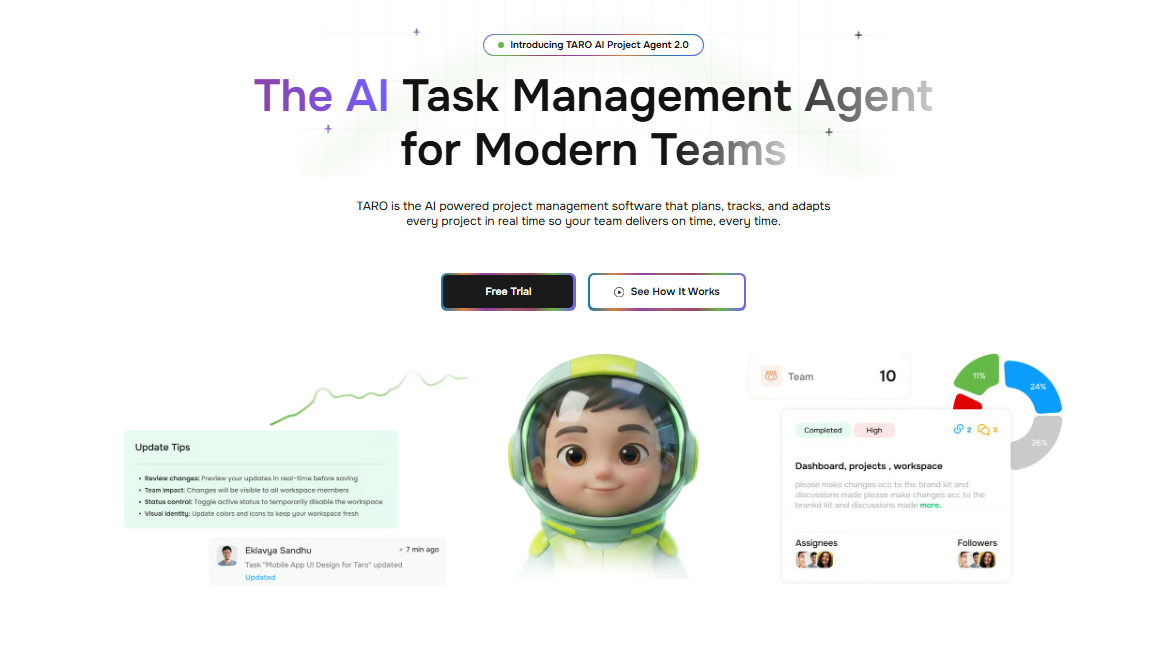
Taro connects performance reviews directly to the work your team is already doing. Instead of asking managers to reconstruct a quarter from memory, Taro pulls task completion rates, project milestones, and ownership patterns into the review automatically. That context gap, where a manager sits down in December with no real data, is where most reviews fall apart.
Key features:
AI-assisted review summaries drawn from actual task history
Goal and OKR tracking linked to individual contributors (pairs well with OKR tracking software if you're running company-wide goal cycles)
Peer feedback collection built into the project workflow
Review scheduling with automated reminders so nothing slips
Manager dashboards that flag performance gaps before they become retention problems
Pricing: Free plan available for small teams. Paid plans start at a competitive per-user rate. See Taro's AI project management features for current tier details.
Best for: IT company owners running teams of 5 to 50 who want performance data tied to real work output, not self-reported surveys.
2. Lattice — Best for structured HR workflows
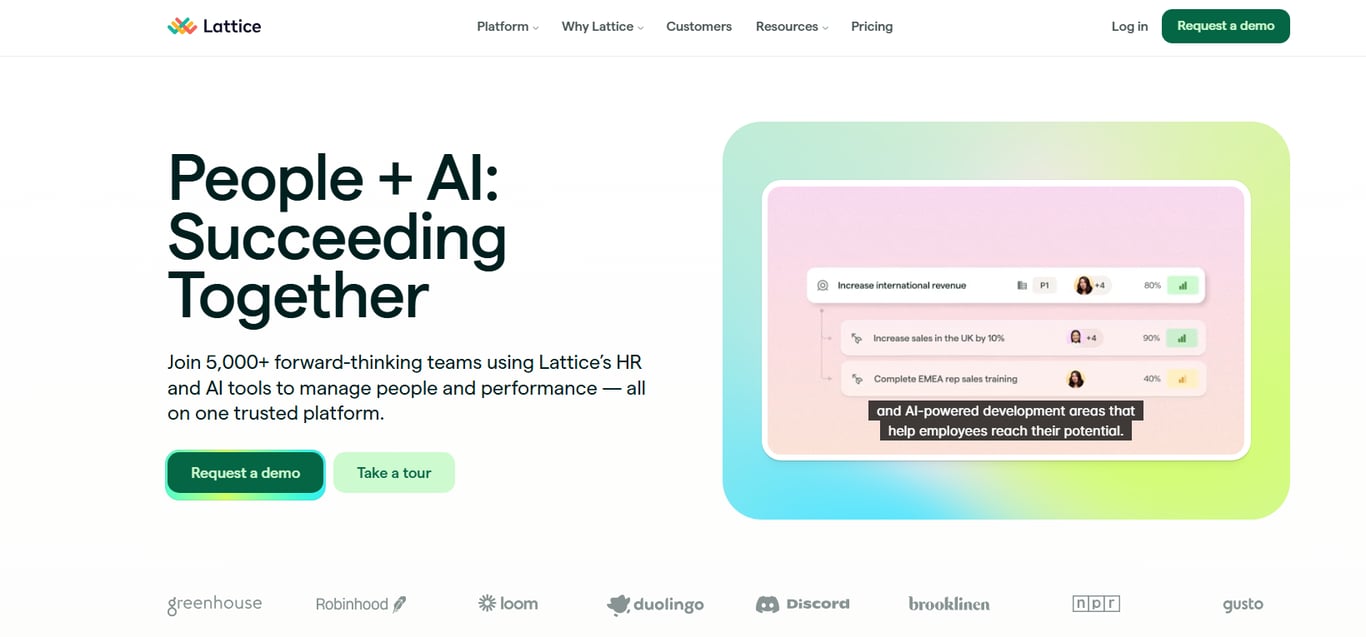
Lattice is a mature platform with strong review cycle management, 1:1 templates, and engagement surveys. It handles multi-directional feedback (self, peer, manager, upward) cleanly. The tradeoff: it's designed for HR teams, not engineering managers. Setup takes time, and the pricing reflects an enterprise appetite. Starting price is around $11 per user per month, with no meaningful free tier.
Best for: Companies with a dedicated HR function and 50+ employees. Overkill for a 10-person dev shop.
3. 15Five — Best for continuous feedback culture
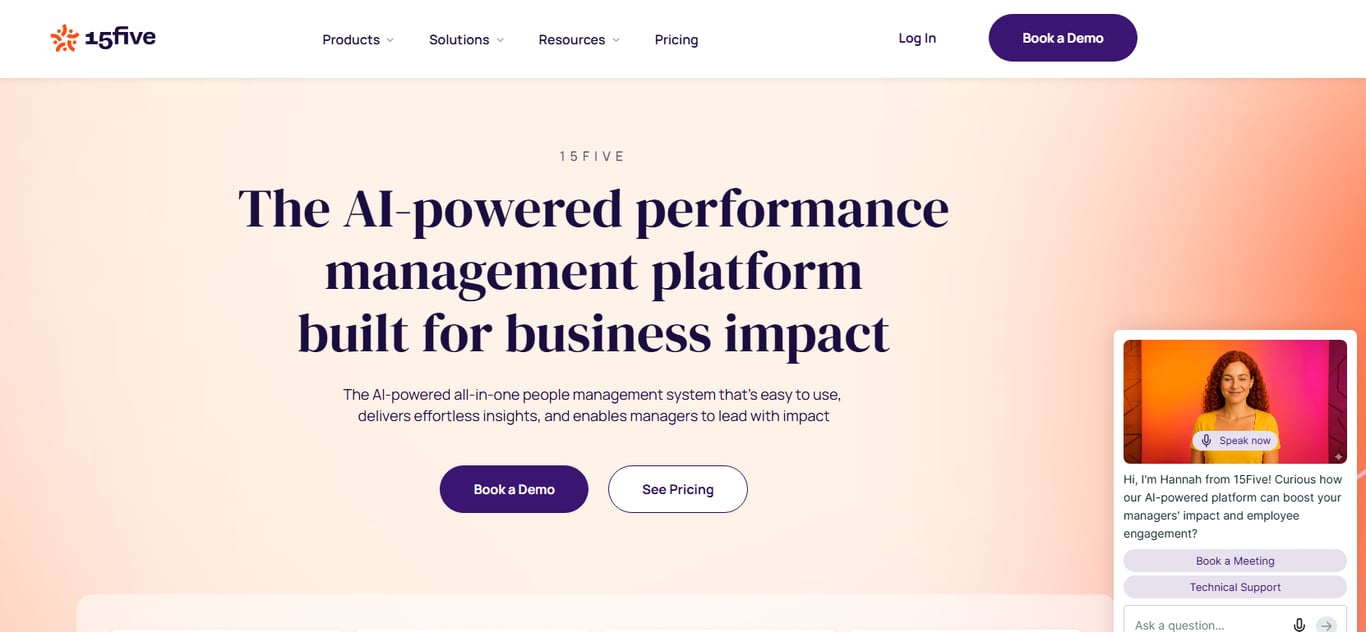
15Five's weekly check-in model works well if your team already has a feedback habit. The "Best-Self Review" format is structured and manager-friendly. Pricing starts around $4 per user per month for the basic tier, but the review features you actually need sit in the higher tier at roughly $14 per user per month.
Best for: Teams prioritizing ongoing engagement over formal annual reviews.
4. Leapsome — Best for learning and development integration
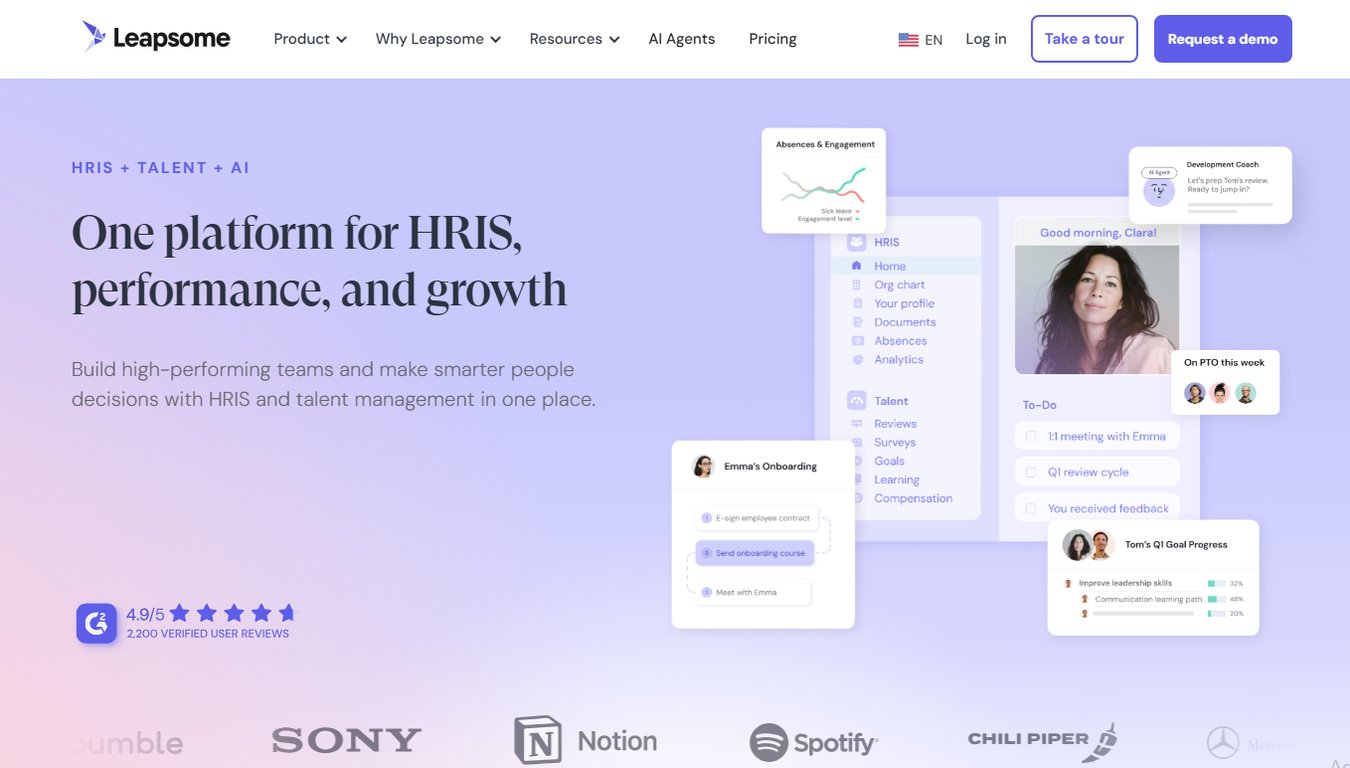
Leapsome ties performance reviews to learning paths, which is useful if you're trying to connect review outcomes to training budgets. It's well-designed and handles 360 feedback well. Pricing is custom-quoted, which typically means it's not cheap. No free plan.
Best for: Mid-size companies where L&D and performance management need to share data.
5. Engagedly — Best for gamification and engagement scores
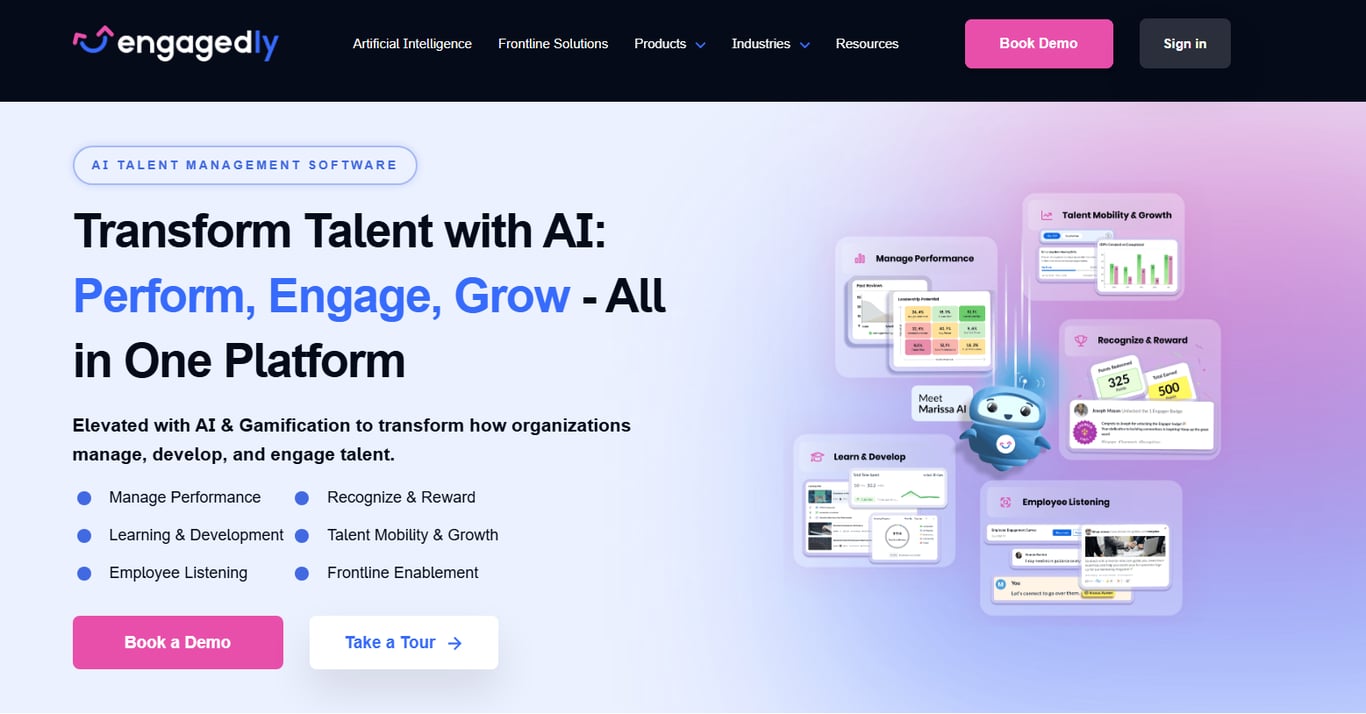
Engagedly adds engagement metrics and gamification layers on top of standard review workflows. That's useful for teams struggling with participation rates. The interface is busy, and the feature depth can overwhelm small teams who just need a clean review cycle. Pricing is custom.
Best for: Companies where driving adoption of the review process itself is the primary challenge.
6. Small Improvements — Best employee performance review software free option for lean teams
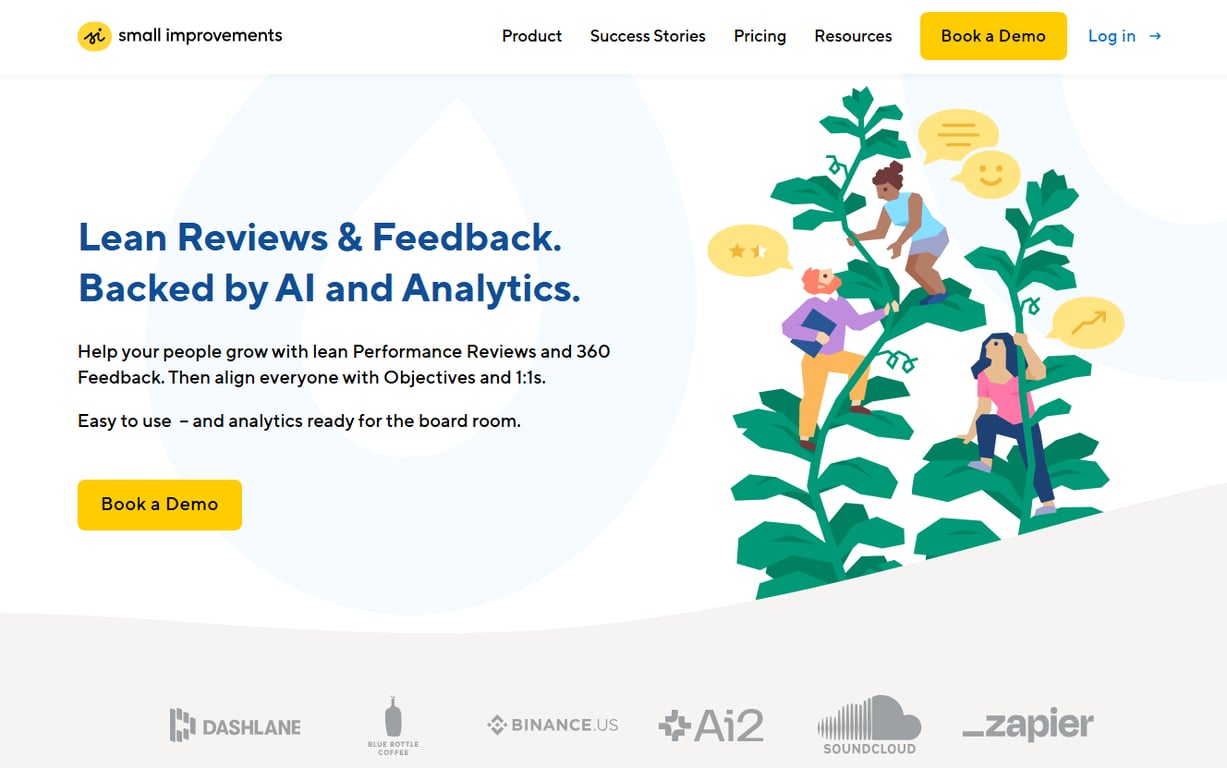
Small Improvements offers a free plan for teams under 5 users and a paid tier starting around $5 per user per month. The feature set is intentionally lightweight: continuous feedback, review templates, and basic goal tracking. No AI features, no task integration.
Best for: Founders or team leads who need something functional today with zero budget. If your team grows past 10, you'll hit its limits fast.
7. Reviewsnap — Best for compliance-focused reviews
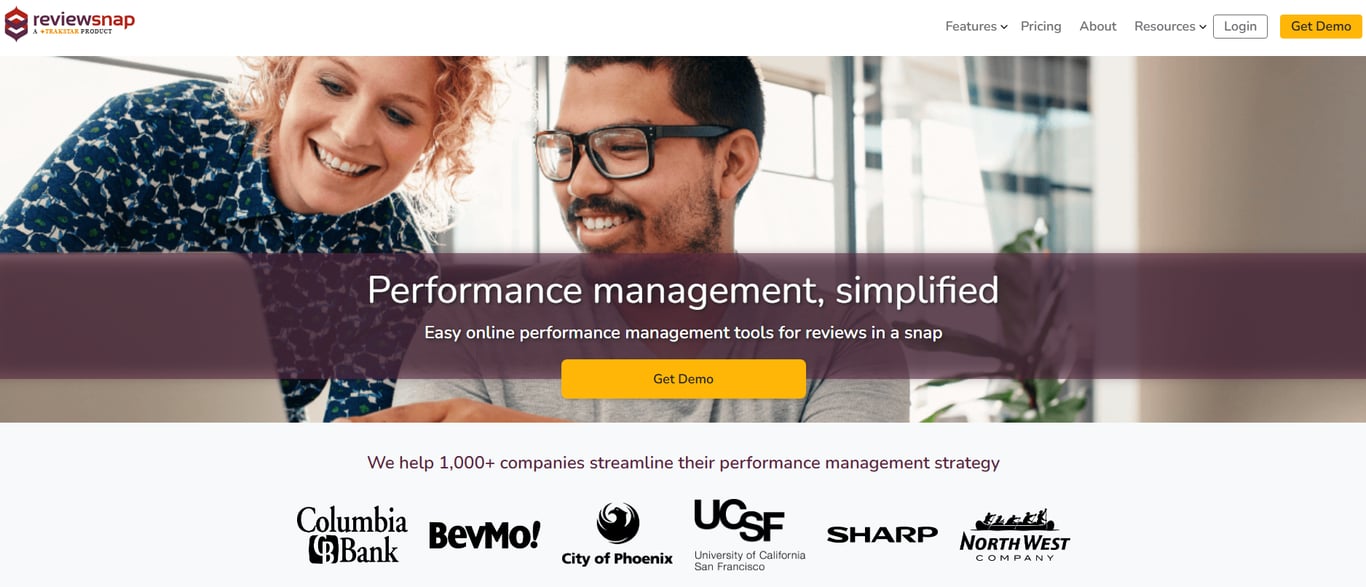
Reviewsnap focuses on documentation and audit trails, which matters in regulated industries or when HR needs defensible records for terminations or promotions. The UI is dated but reliable. Pricing is custom-quoted.
Best for: Small businesses in regulated sectors (healthcare IT, fintech) where review documentation carries legal weight.
Most of the tools ranked 2 through 7 were designed for HR managers at companies with dedicated people-ops teams. If you're an IT company owner who also functions as the de facto HR department, that's a poor fit. The tools that work best at your scale connect performance data to the work itself, which is why task-integrated platforms like Taro pull ahead. For teams where task ownership is already tracked, you can also pair a review tool with task tracker apps for IT teams to give managers richer context before review season starts.
Team size is the fastest filter. Use it before comparing features.
Under 15 people: You don't need a dedicated performance management platform. A free tier from Taro or a lightweight tool handles goal-setting and 1:1 notes without the overhead. Avoid paying for competency frameworks you'll never configure.
15 to 75 people: This is where best performance review software for small businesses starts to matter structurally. You need 360 feedback, manager dashboards, and review cycle automation. Taro fits here. So does 15Five if your team is remote-heavy.
75 to 200 people: Add OKR tracking and calibration workflows to your checklist. If you're also tracking output across distributed teams, pair your review tool with productivity tracking software for remote teams.
Two criteria matter regardless of size: whether the free plan covers your current headcount, and whether the tool can run a full review cycle without an HR specialist configuring it. Most performance management software for small businesses fails the second test.
Structured performance reviews do two measurable things: they surface skill gaps before they become attrition risks, and they give employees a clear line between their work and their next raise or promotion. Research consistently links regular feedback cycles to lower voluntary turnover, particularly on small teams where one departure hits harder.
The core benefits of dedicated employee performance review software for small teams:
Replaces ad-hoc feedback with scheduled, documented cycles
Ties individual goals to team OKRs, so reviews feel relevant rather than bureaucratic
Creates an audit trail managers can reference at promotion or compensation time
Reduces manager prep time from hours to under 30 minutes per cycle
For teams also tracking deliverables, pairing employee review tools for small teams with task tracker apps for IT teams closes the gap between output data and review conversations.
Closing
The best performance review software for small IT teams isn't the one with the most features—it's the one that lives where your team already works. Standalone HR platforms force a context switch that kills adoption and wastes your time. Taro stands out because it pulls review data directly from tasks and projects, so managers have real context instead of guessing, and your team doesn't have to log into another system.
Start by running a free trial with your next review cycle. Pick a tool that takes under a day to set up, connects to your existing workflow, and scales with you as you grow. The difference between a review process that sticks and one that becomes a quarterly burden often comes down to that one decision.
FAQ
What are the best employee performance review software for small businesses?
Taro leads for IT teams under 50 because it ties reviews to actual task work. Lattice, 15Five, and Leapsome work for mid-size teams with dedicated HR. Small Improvements is the free option if budget is the constraint.
How does employee performance review software improve productivity?
It removes the memory gap. Managers have real data on task completion and project ownership instead of reconstructing a quarter from recollection, leading to faster, fairer reviews and clearer feedback.
What features should I look for in employee performance review software?
Prioritize free plans, setup under one week, per-seat pricing for small teams, flexible review cycles, and goal-to-task alignment. Avoid tools requiring implementation consultants or rigid annual-only schedules.
Can employee performance review software help with employee retention?
Yes. Tools that connect reviews to real work output help managers spot performance gaps and engagement drops early, enabling retention conversations before people leave.
How much does employee performance review software cost?
Free plans exist for teams under 10. Paid tiers range $4–$14 per user per month. Taro and Small Improvements offer free entry points; most others start $5–$11 per user monthly with no free tier.


 Elena Petrova15 September 2026


